
Understanding MOQ and Lead Time in Private Label Hair Care Manufacturing
Launching a hair care brand requires more than just a compelling concept. You need a manufacturing partner who can deliver consistent quality on a predictable schedule. For brand owners sourcing from China, two figures dominate every negotiation: the Minimum Order Quantity (MOQ) and the lead time. These numbers define your initial investment risk and your ability to restock before inventory runs out.
Private label hair care manufacturing involves creating formulas that carry your brand identity while relying on a factory’s existing expertise. This hybrid approach offers a middle ground between developing a custom formula from scratch and buying generic products off the shelf. However, it comes with its own logistical complexities. Understanding how these processes work is essential for planning your product launch and maintaining healthy cash flow.
The reality of sourcing from Guangzhou, a major hub for cosmetics production, is that flexibility exists but operates within specific parameters. Factories have established baselines for what they will produce and how long it takes. By aligning your brand goals with these industrial realities, you can build a sustainable supply chain. This guide breaks down what to expect regarding order quantities and production timelines in the private label sector.
What Drives MOQ Requirements for Private Label Hair Care Manufacturing?
Minimum Order Quantity is the smallest number of units a factory is willing to produce in a single order. In the private label hair care sector, this is rarely a fixed number across all products. It depends heavily on the packaging type, the formula complexity, and the current demand on the production line. Manufacturers need to ensure that the setup costs are covered by the revenue from that initial batch.
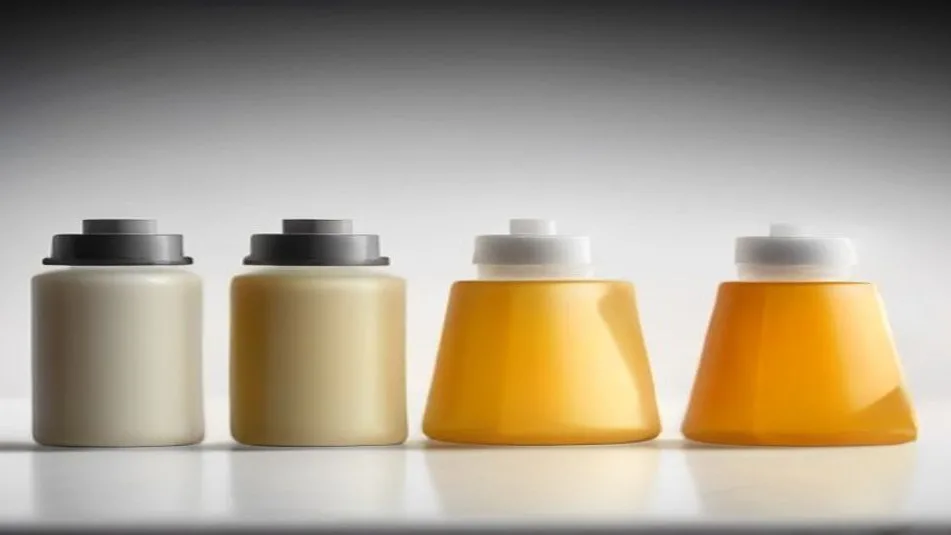
Packaging is often the primary driver of MOQ. If you choose a standard plastic bottle that the factory already has in stock, the MOQ might be lower because no new molds or sourcing are required. However, if you opt for custom-shaped bottles or premium glass packaging, the MOQ typically increases. You may need to purchase a minimum amount of packaging material directly, or the factory may require a larger production run to justify the changeover time on their filling lines.
- Standard private label items: These often have lower MOQs because they utilize existing templates and packaging stocks. They are ideal for brands testing the market with a new shampoo or conditioner.
- Custom packaging orders: These carry higher MOQs due to the procurement of new materials and the calibration of machinery for unique container shapes or closure types.
- Complex formulations: Products requiring specific active ingredients or unusual textures may have higher MOQs to ensure the mixing tanks are utilized efficiently.
When you approach a facility, be prepared to discuss these variables openly. A factory with over 20 years of experience can often suggest packaging options that balance your branding needs with manageable order sizes. Knowing the MOQ upfront prevents surprises during the checkout process and helps you calculate your per-unit cost accurately.
How Lead Times Vary Across the Private Label Hair Care Manufacturing Process
Lead time refers to the total duration from the moment an order is confirmed to the moment the goods are ready for shipment. In private label hair care manufacturing, this timeline is not static. It fluctuates based on which stage of production you are in and the specific requirements of your order. A clear understanding of these phases helps you plan your marketing launches and avoid stockouts.
The first phase usually involves formulation selection or customization. If you are using a pre-existing formula from the factory’s catalog, this step is quick. However, if you are requesting modifications to adjust viscosity, scent, or active ingredient concentration, the R&D team needs time to create samples. With more than 35 R&D scientists on staff, a capable factory can move through this stage efficiently, but sample approval still requires coordination between you and their technical team.
Once the formula is locked, the procurement phase begins. The factory must source raw materials and packaging components. If standard ingredients are used, this happens rapidly. If you require imported specialty actives or custom-printed labels, the lead time extends to account for shipping and customs clearance. Transparent communication about material availability is crucial during this stage.
The final phase is production and quality control. Filling, capping, labeling, and packaging are mechanical processes, but they require careful monitoring to ensure consistency. Factories that adhere to strict standards like ISO 22716 and GMPC have rigorous quality checks built into the timeline. These checks are non-negotiable for safety and compliance, so they must be factored into your expected delivery date.
Strategies to Optimize Your Order Size and Production Timeline
Navigating MOQs and lead times does not mean you are stuck with rigid constraints. There are practical strategies to make these parameters work in your favor. The key is to enter discussions with a clear understanding of your market and to leverage the expertise of your manufacturing partner.
One effective strategy is to start with a core range. Instead of launching ten different products simultaneously, consider introducing three to five hero items. This allows you to meet MOQs for each SKU without overcommitting capital to inventory that may not sell. As your brand grows, you can expand the range with subsequent orders. Many successful brands began with a single shampoo and conditioner set before scaling up to body washes and treatments.
Another approach is to utilize the factory’s existing resources. Since a mature facility may have developed over 10,000 formulas and holds numerous patents, there is a vast library of proven solutions available. Choosing a formula that is close to your vision rather than requesting a completely novel creation can significantly reduce both development time and minimum order requirements. It also minimizes the risk of formulation instability.
- Consolidate shipments: If you are ordering multiple product categories, such as face care and hair care, consolidating them into fewer but larger shipments can improve logistics efficiency.
- Plan for buffer stock: Always order a bit more than your immediate forecast suggests. This buffers against supply chain delays and allows you to restock quickly without halting sales.
- Communicate early: Share your sales projections and marketing calendar with your manufacturer. This allows them to reserve production capacity and prioritize your order.
Building a relationship based on transparency helps both parties. When a factory knows your long-term goals, they may be more flexible with initial MOQs in exchange for future volume commitments. This collaborative mindset is often what distinguishes a one-time transaction from a lasting business partnership.
Why Experience and Certification Matter in Production Reliability
The complexity of hair care products, which often include emulsions, suspensions, and sensitive active ingredients, demands a high level of manufacturing precision. This is why the track record of your supplier is just as important as their price list. A facility with over two decades of operational history has likely encountered and resolved a wide array of production challenges. Their stability is a direct benefit to your brand.
Certifications provide objective evidence of a factory’s commitment to quality and safety. For international buyers, compliance with global standards is mandatory. A facility that operates under ISO 22716 and GMPC guidelines ensures that hygiene, contamination control, and documentation meet international requirements. Additionally, being an FDA-registered facility adds another layer of trust, particularly if you plan to export to North America.
These certifications also impact lead times. Established protocols for quality control mean fewer bottlenecks during inspection. When a factory has 50 or more patents and a robust R&D team, it indicates an investment in innovation and technical capability. This means they are better equipped to handle special requests or troubleshoot issues without compromising the production schedule.
Furthermore, factories that serve more than 50 export countries have mastered the logistics of international shipping. They understand the documentation and labeling requirements for different regions. This expertise reduces the administrative burden on you and helps prevent delays caused by regulatory non-compliance at customs. Choosing a partner with this level of verified experience mitigates many of the risks associated with overseas sourcing.
Building a Successful Partnership with Your Manufacturer
The ultimate goal of understanding MOQs and lead times is to build a reliable supply chain that supports your brand’s growth. This requires viewing your manufacturer as a strategic partner rather than just a vendor. Open communication, mutual respect for timelines, and shared goals are the foundations of this relationship.
Regular check-ins can help maintain alignment throughout the production process. Whether you are discussing a new private label hair care manufacturing order or a repeat purchase, keeping the lines of communication open ensures that any potential issues are addressed before they become problems. A responsive partner will keep you informed about raw material availability and production status.
As you scale, your requirements will evolve. What works for a small test batch may not be optimal for a large seasonal launch. A flexible manufacturer with a large facility, such as a 10,000 m² plant, can accommodate these changes in volume and complexity. They have the infrastructure to support you from your first order to your hundredth.
By combining your brand vision with their technical expertise, you can create products that resonate with consumers while maintaining operational efficiency. The numbers you negotiate today lay the groundwork for your brand’s longevity tomorrow. Focus on building a partnership that offers both quality and consistency, and you will be well-positioned for success in the competitive beauty market.
If you are ready to discuss your next project, we invite you to reach out through our available channels. You can contact us via WhatsApp +86 18709713948 · Email adon@oemcosmeticsodm.com · Website www.oemcosmeticsodm.com.