
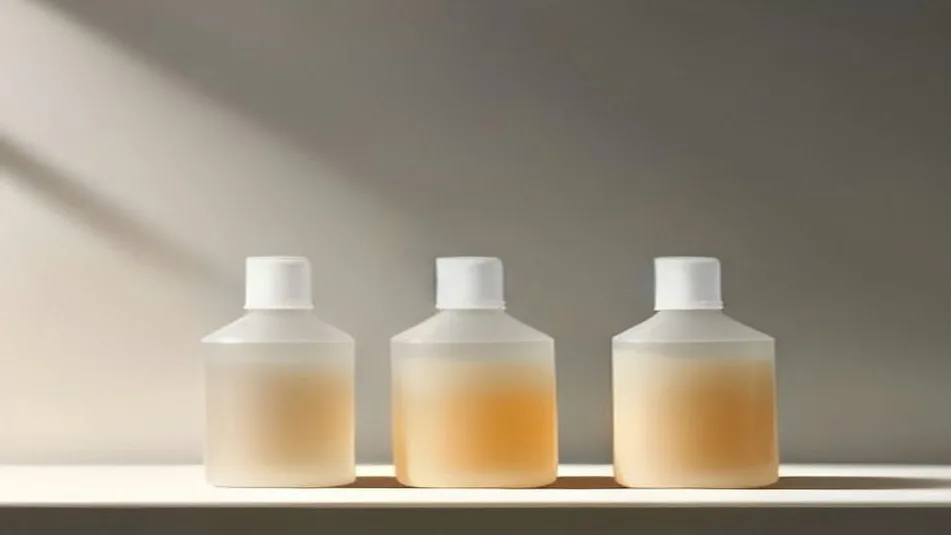
Why Packaging Is the Silent Salesperson for Your Private Label Serum
For brand owners sourcing private label serums from China, the liquid formula is only half the story. The packaging is what your customer sees first on the shelf and what they handle daily in their bathroom. A serum is a high-concentration product that often contains unstable active ingredients. This means the vessel must do more than just hold liquid; it must protect potency, maintain hygiene, and communicate premium quality. When you work with a partner like Guangzhou Laiyue Biological Group Co., Ltd., you gain access to over ten thousand developed formulas and fifty-plus patents. However, even the most advanced formulation can fail if the packaging compromises the product. Choosing the right packaging requires understanding material science, user experience, and regulatory compliance simultaneously.
Choosing the Right Packaging for Private Label Serums: Understanding Active Ingredient Stability
The primary function of serum packaging is preservation. Many popular skincare actives, such as vitamin C, retinol, and certain peptides, are sensitive to light, air, and contamination. If your private label brand focuses on brightening or anti-aging, the packaging choice directly impacts the efficacy of the thirty-five plus R&D scientists' work. Clear glass bottles, while aesthetically pleasing, offer little protection against UV degradation unless the glass is tinted. Amber or cobalt blue glass bottles are standard choices because they filter out harmful wavelengths. For brands that prefer clear aesthetics, opaque bottles or airless systems provide superior stability.
Another critical factor is oxidation. Every time a consumer opens a dropper bottle, oxygen enters the vessel. This can alter the pH and degrade the formula over time. Airless pump packaging creates a vacuum seal that prevents air from contacting the serum. This technology is increasingly popular for private label projects because it extends shelf life and ensures the consumer gets the full dose with every pump. When evaluating suppliers, ask how their packaging options align with the specific chemical stability of the formula you intend to develop.
Choosing the Right Packaging for Private Label Serums: Material Choices and Safety
The materials used in your serum container must be chemically inert. You need packaging that will not leach plastics or react with the active ingredients in your formula. Glass is the gold standard for inertness, but it comes with weight and shipping cost implications. High-quality plastics, such as PET or PCR (post-consumer recycled) materials, are lighter and more shatter-resistant. For a factory with twenty-plus years of experience, managing the balance between durability and chemical compatibility is routine. Guangzhou Laiyue Biological Group Co., Ltd. operates within a 10,000 m² facility and adheres to ISO 22716 and GMPC standards, which include strict guidelines on material safety and cleanliness.
- Glass: Premium feel, excellent barrier properties, but heavier and more fragile during export.
- Airless Bottles: Plastic or glass components that maximize product yield and protect sensitive formulas.
- Droppers: Classic choice for viscous serums, but requires careful sealing to prevent evaporation.
- Capsules: Single-use portion control that eliminates contamination and is ideal for travel-friendly private label lines.
Choosing the Right Packaging for Private Label Serums: Compliance and Export Readiness
Sourcing from China opens doors to global markets, but it also requires navigating diverse regulatory landscapes. Your private label serum may be sold in the European Union, North America, or Southeast Asia, each with its own labeling and packaging regulations. An FDA-registered facility is a significant advantage for brands targeting the US market, as it signals adherence to strict manufacturing practices. Similarly, ISO 22716 certification ensures that the cosmetic manufacturing processes meet international quality benchmarks.
When developing your private label project, ensure your supplier understands the destination market's requirements. This includes restrictions on certain plasticizers, correct INCI labeling, and recyclability claims. With export orders to more than fifty countries, experienced partners know how to guide you through these complexities. They can advise on whether a specific dropper component complies with REACH regulations in Europe or if the packaging materials meet FDA food-contact safety standards, which often overlap with cosmetic regulations. Proper compliance prevents costly delays at customs and builds trust with retailers who demand documentation.
Choosing the Right Packaging for Private Label Serums: User Experience and Brand Perception
Beyond protection and compliance, packaging drives consumer behavior. The tactile experience of opening a serum bottle sets the tone for the entire skincare routine. A heavy, well-balanced pump feels luxurious compared to a lightweight, flimsy alternative. For private label brands, this perception is vital for commanding premium pricing. Consider the ergonomics of the dispenser. Is it easy to squeeze? Does the dropper deliver precise drops without dripping? These details influence repurchase rates.
Consistency across your product line also matters. If your brand offers a face care serum, an eye care treatment, and a body care lotion, cohesive packaging design reinforces brand identity. Using similar color palettes, cap styles, and label layouts creates a professional appearance on retail shelves. A factory with extensive experience in OEM and ODM services can help you select off-the-shelf components that align with your brand vision or assist in customizing molds for a unique look. The goal is to create an unboxing experience that feels intentional and high-end, encouraging customers to share their new products on social media.
Choosing the Right Packaging for Private Label Serums: Sustainability and Future Trends
Sustainability is no longer a niche trend; it is a consumer expectation. Brands are increasingly scrutinizing the environmental impact of their packaging. Refillable systems are gaining traction in the skincare industry, allowing consumers to keep a durable outer case while purchasing lighter, recyclable refill pods. This reduces plastic waste and shipping carbon footprints. Additionally, the use of recycled materials in primary packaging is becoming more common. Consumers are willing to support brands that prioritize eco-friendly practices.
As you plan your private label serum launch, consider how sustainability aligns with your brand values. Discuss these options with your manufacturing partner. Many modern factories are investing in eco-conscious packaging solutions to meet global demand. Guangzhou Laiyue Biological Group Co., Ltd. is located in the Weiguan Cosmetics Creative Industrial Park, a hub that encourages innovation and creative industrial development. By staying informed about trends like refillable systems and PCR materials, you can position your brand as forward-thinking and responsible. This approach not only appeals to environmentally conscious buyers but also future-proofs your product line against tightening environmental regulations.
If you are ready to develop a stable, compliant, and market-ready serum for your brand, we invite you to connect with our team directly. WhatsApp +86 18709713948 · Email adon@oemcosmeticsodm.com · Website www.oemcosmeticsodm.com