
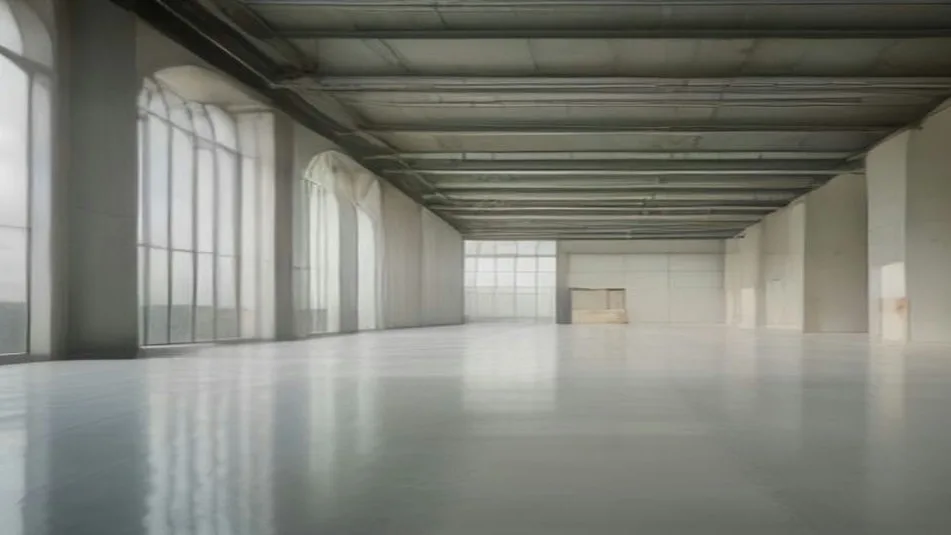
Why a Guangzhou OEM Factory Tour Matters for Global Brands
For brand owners and procurement teams sourcing from China, a virtual or physical factory tour is more than a formality. It is the most effective way to verify that a supplier can actually deliver on promises made during the inquiry phase. Guangzhou has long been a global hub for cosmetics manufacturing, and among the many options available, an OEM COSMETICS ODM facility stands out for its scale and specialization.
This article walks you through what you can expect when exploring a 10,000 sqm facility in Guangzhou. We focus on the practical realities of working with a B2B partner that handles skincare, body care, hair care, and custom formula development. The goal is to help you understand how a mature factory operates, what quality systems are in place, and how to evaluate whether this type of operation aligns with your brand’s needs.
Entering the 10000 sqm Facility: First Impressions and Layout
When you arrive at the Weiguan Cosmetics Creative Industrial Park, the sheer size of the operation becomes immediately apparent. The factory spans 10,000 m², a significant footprint that allows for distinct zones dedicated to different stages of production. Unlike smaller workshops that may blend R&D, packaging, and filling into one open space, a facility of this size typically separates these functions to maintain hygiene and workflow efficiency.
As you move through the tour, you will notice the logical flow from raw material storage to compounding, filling, capping, labeling, and final packing. The 10,000 sqm footprint provides enough room for 35+ R&D scientists to work in dedicated labs without interfering with the manufacturing floor. This separation is crucial because it ensures that the precision required in formulation development does not compromise the sterility or pace of mass production.
For B2B buyers, observing this layout helps answer two key questions: Does the factory have the physical capacity to handle your order volume? And are their processes organized enough to prevent cross-contamination between product lines? A well-structured 10,000 sqm facility usually demonstrates both capability and discipline.
Behind the Scenes: How the 10,000 sqm Facility Handles Custom Development
One of the primary reasons international brands choose Guangzhou-based partners is the ability to create custom formulations. With over 20 years of experience and more than 10,000 developed formulas, this factory has built a library of base recipes that can be adapted for a wide range of client needs. During the tour, you will likely see sections dedicated to R&D where scientists work on texture, scent, and active ingredient compatibility.
The factory holds 50+ patents, which indicates a strong focus on innovation rather than pure copycat manufacturing. For your brand, this means there is a higher likelihood that the team can solve specific formulation challenges, such as stabilizing a new active ingredient or creating a unique sensory experience for lip care or eye care products. The patent portfolio also suggests that the facility invests in proprietary technologies that can give your product a competitive edge.
When evaluating a factory’s development capabilities, pay attention to how they handle prototyping. A robust process involves multiple iterations, stability testing, and compatibility checks with packaging materials. In a 10,000 sqm facility, these steps are typically conducted in controlled environments, ensuring that the final formula is viable for large-scale production. This reduces the risk of reformulation delays once your order moves to the manufacturing line.
Quality Assurance and Certifications in a 10,000 sqm Guangzhou Factory
Quality control is non-negotiable in the cosmetics industry, especially when exporting to regulated markets. This facility operates under ISO 22716 and GMPC standards, which are internationally recognized guidelines for Good Manufacturing Practices in cosmetics. Additionally, the facility is FDA-registered, a requirement for many brands looking to enter or maintain presence in the United States market.
During the tour, you should expect to see visual evidence of these certifications in action. This might include strict adherence to cleanroom protocols, documented batch records, and routine environmental monitoring. The presence of 35+ R&D scientists also supports quality assurance, as these experts are often involved in defining the specifications for raw materials and finished products.
It is important to note that certifications are just the baseline. A superior factory uses them as a framework for continuous improvement. When discussing quality with the team, ask about their testing procedures for microbial limits, heavy metals, and stability. A transparent factory will gladly share their standard testing protocols, even if they cannot share proprietary formula details.
- ISO 22716 certification ensures compliance with international cosmetic GMP standards.
- GMPC certification reflects adherence to good manufacturing practices focused on safety and quality.
- FDA registration indicates the facility meets the requirements for exporting to the US market.
Product Diversity: From Skincare to Hair Care in One Facility
A common misconception is that specialized factories only excel in one category. However, this 10,000 sqm facility covers a broad spectrum of product types, including face care, eye care, men’s care, baby skincare, body care, hair care, lip care, and hand care. This versatility is a significant advantage for brands that want to expand their line without managing multiple suppliers.
The ability to produce diverse categories under one roof simplifies logistics and communication. For example, if you are launching a complete skincare routine, you can source your facial serum, body lotion, and hand cream from the same production team. This consistency can help maintain a uniform quality standard across your entire product line.
Additionally, the factory’s experience with export orders to 60+ countries means they understand the varying regulatory and packaging preferences of different markets. Whether you need products compliant with EU regulations or specific labeling requirements for Asian markets, the team’s international exposure is valuable. When touring the facility, observe how they manage different packaging lines and whether they have the flexibility to switch between product types efficiently.
What to Expect When Contacting the Factory for a Partnership
After reviewing the capabilities of a 10,000 sqm facility, the next step is often a direct conversation with the team. For B2B buyers, the initial inquiry should be specific. Clearly outline your product category, target price point, and estimated order volume. This helps the factory determine if they can meet your requirements within their current production schedule.
Given their experience with private label and custom formula development, the factory is likely equipped to guide you through the process from concept to shelf-ready product. They can provide samples, discuss packaging options, and offer insights into trend-driven formulations. The key is to maintain open communication and leverage their 20+ years of industry knowledge.
If you are planning a virtual tour, prepare a list of questions about their lead times, MOQs (Minimum Order Quantities), and sample development processes. A professional OEM partner will be transparent about these operational details, helping you build a realistic timeline for your brand launch.
Ready to explore how our facility can support your brand’s growth? Contact us today via WhatsApp +86 18709713948 · Email adon@oemcosmeticsodm.com · Website www.oemcosmeticsodm.com